
Highway Merging: The On-Ramp Is a Runway, Not a Stop Sign
The most common merging mistake is being too slow, not too fast. Here's how to practice it in stages, starting with the quietest ramp you can find.
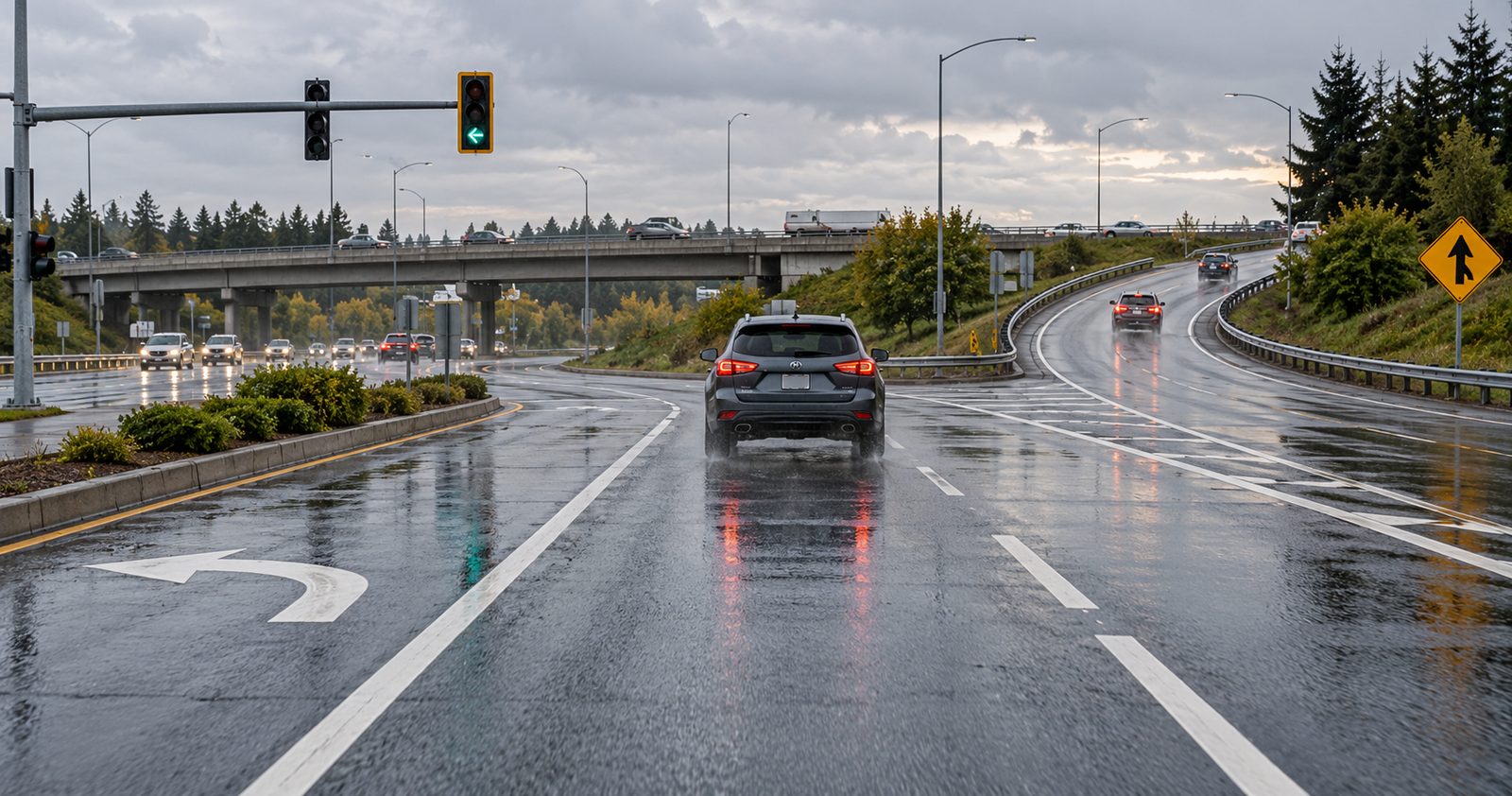
The first time most teenagers merge onto a highway, they do the same thing. They drive down the ramp at about 40 miles an hour, look over their shoulder at traffic doing 70, and slow down.
It’s an entirely understandable instinct. The highway looks fast and dangerous, so you approach it carefully. Unfortunately, slowing down on the ramp is what makes the merge dangerous. Now there’s no gap that fits, the ramp is running out, and somebody behind them is braking too.
The ramp is for speeding up
This is the single idea to get across before the first highway drive: the on-ramp is a runway. Its job is to get you to highway speed. California’s handbook puts it simply: when you merge, be at or near the speed of traffic.
Oregon’s manual adds the other half: you must yield to traffic already on the freeway, adjust your speed to match it, and keep moving if at all possible. Stopping at the end of a ramp is sometimes unavoidable in heavy traffic, but it should be the rare exception, because getting going again from a dead stop into 65-mile-an-hour traffic is much harder.
So: accelerate firmly, look early, pick a gap, match its speed, signal, and slide in.
Speed up to fit in. Slowing down on the ramp is what makes merging dangerous.
Look early, more than once
New drivers look at the highway once, late, from the end of the ramp. Teach them to start looking as soon as they can see the traffic, and to take quick glances, mirror then over the shoulder, while they accelerate. By the time they reach the end of the ramp, they should already know which gap they’re aiming for.
If the gap they picked closes, they adjust: speed up a little more to get ahead, or ease off to slip behind. The ramp gives them room to do that, as long as they didn’t spend it going slowly.
How should a teen practice highway merging?
In steps, from quiet on-ramps to busy ones, until they can merge without you calling the gap. Don’t start at rush hour. Build it in steps:
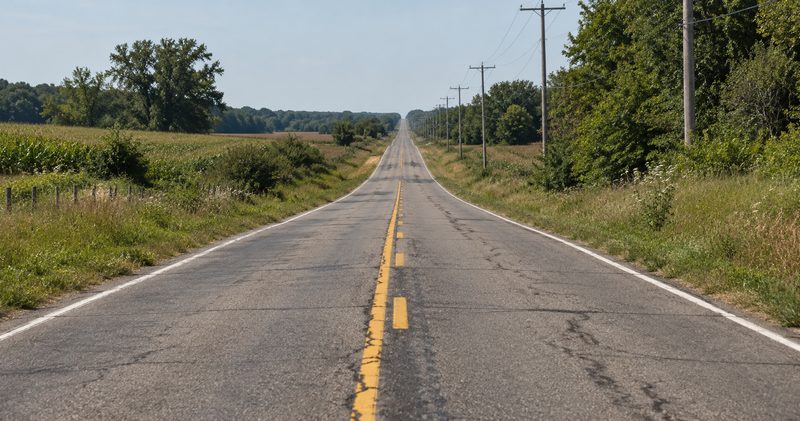
- The quietest interchange you can find. A rural highway on a Sunday morning. Long ramp, light traffic. Several times in a row, until it’s boring.
- Exits too. Signal early, move into the exit lane, and slow down on the ramp, not on the highway.
- Lane changes. Mirror, signal, over-the-shoulder check, smooth move, cancel the signal. Do lots of them on an open stretch.
- A busier suburban ramp. More traffic, shorter gaps.
- Short ramps and cloverleafs. Where cars are entering and exiting in the same lane. These are hard; practice them on purpose.
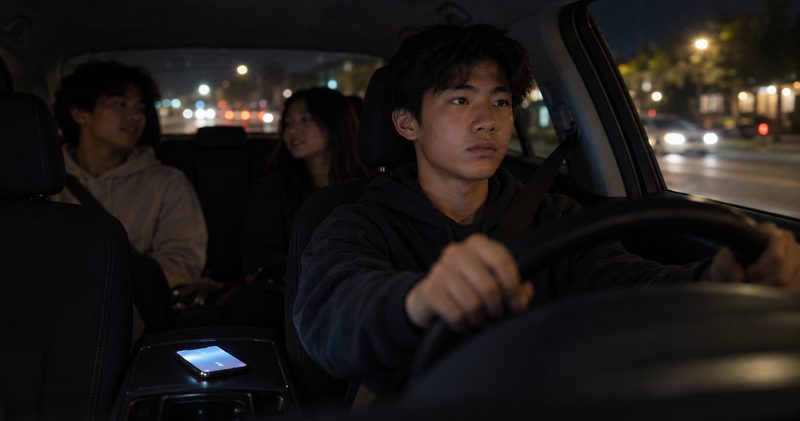
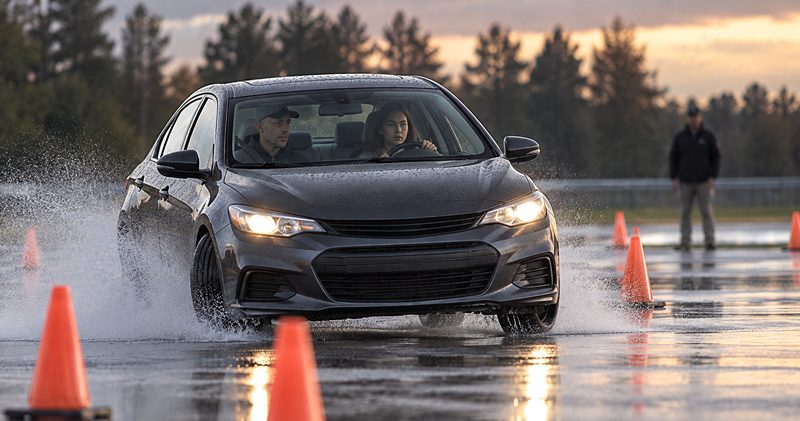
- Rain and night. Speed and distance are harder to judge in both. Leave more room.
- Rush hour. Last, and with you in the car.
Following distance on the highway
Once they’re on, the next job is space. At highway speed, everything happens faster, so following too closely is the most common highway mistake after a timid merge. New York’s manual recommends at least three or four seconds behind the car ahead in bad weather and behind large trucks. There’s more on how to count it in Following Distance.
What you do in the passenger seat
Your instinct on the ramp will match theirs: slow down, be careful. Fight it. Before the ramp, say it out loud: “Use the whole ramp to get up to speed.” On the ramp, keep your comments short: “Speed up.” “Gap after the blue car.” “Signal.”
And afterward, ask: “How fast were you going when you merged? How fast was traffic?” The answers usually close the gap on their own.
If highway driving is still inconsistent close to the license date, that matters for readiness. See how to evaluate whether your teen is ready to drive alone, and learn what else teens should practice before driving alone.
This week
Find the quietest highway interchange near you and do the same merge five times in a row. On, exit, turn around, on again. Repetition is what turns a terrifying thing into an ordinary one.
More on Practice
- California Driver Handbook: Navigating the Roads. California DMV, Checked October 2026 · dmv.ca.gov
- Oregon Driver Manual: Section 2. Oregon DMV, Checked October 2026 · oregon.gov
- Driver’s Manual, Chapter 8: Defensive Driving. New York DMV, Checked October 2026 · dmv.ny.gov