By Robert Abbott
Liability Limits: The Number on Your Policy That Matters Most Once Your Teen Drives
State minimums were set to make insurance affordable, not to cover a serious crash. With a new driver in the house, the gap is your problem.
Understand what the state requires, what driver’s ed covers, what insurance changes, and where legal minimums stop short of readiness.
State minimums were set to make insurance affordable, not to cover a serious crash. With a new driver in the house, the gap is your problem.
The repair is the smallest part. An at-fault crash can raise the premium by about half, for three to five years, on a policy that was already expensive.
A car looks free from the driver's seat. Showing a teenager the real bill, and handing them a piece of it, changes how they think about the keys.
An app that watches how your teen drives can cut the premium. It can also raise it, and it grades the driver you have, not the one you're building.
A separate policy looks like a way to protect your rates. It almost always costs more, and it doesn't protect you the way you'd hope.
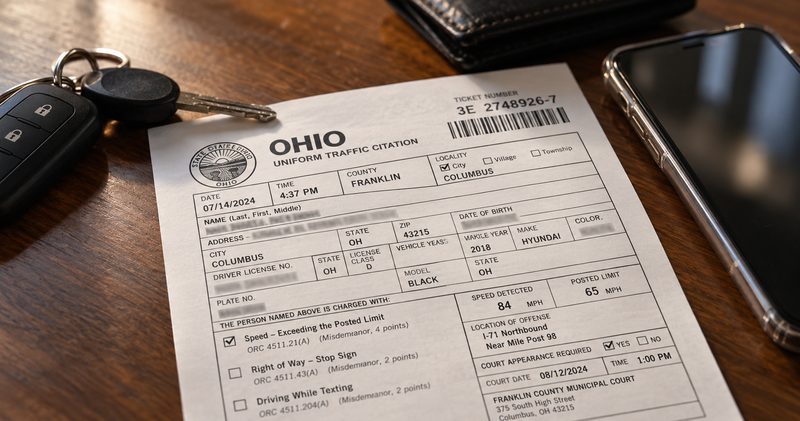
A ticket during the first year can raise the insurance bill, extend license restrictions and, handled right, teach more than a lecture ever could.
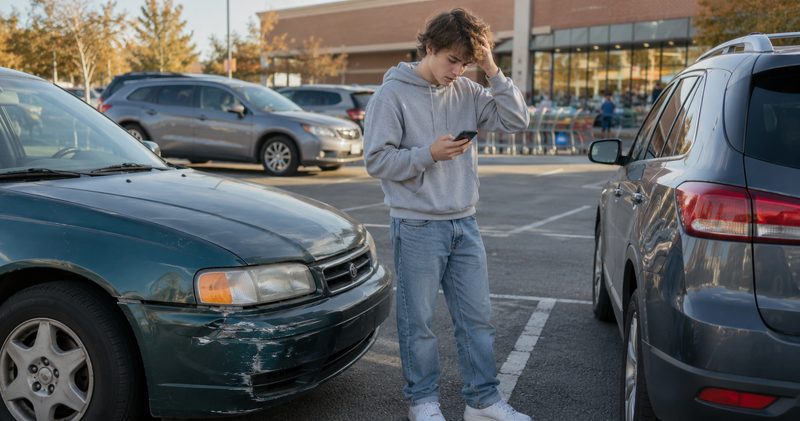
Most teens will have a minor crash. The call you get afterward, and how you handle it, shapes whether they call you next time.
Teens are the riskiest drivers on the road, and they tend to end up in the least protective cars. You can fix most of that before you ever talk price.
The certificate is the same either way. What you want to know is whether the course will fit your kid, your schedule and your state's rules.
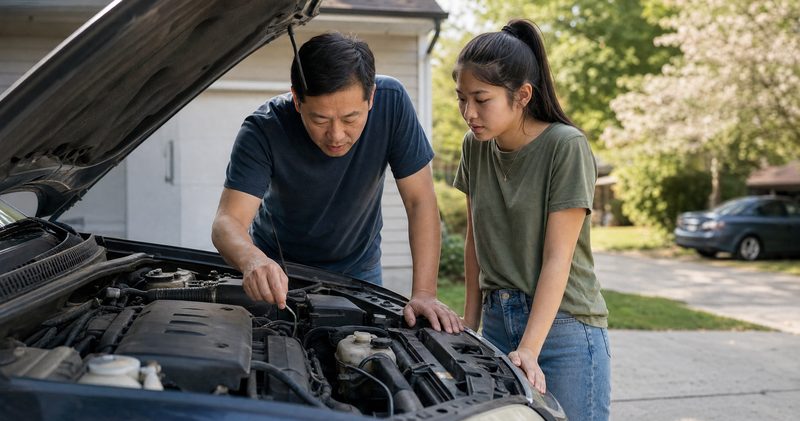
Driver's ed is one of the best tools you have. It's also a few dozen hours in a process that needs hundreds of decisions on real roads.
We did the work. I expected the insurance company to notice. Then I got to ask the people who actually set the prices.