
What a Crash Actually Costs: The Bill That Keeps Coming for Years
The repair is the smallest part. An at-fault crash can raise the premium by about half, for three to five years, on a policy that was already expensive.
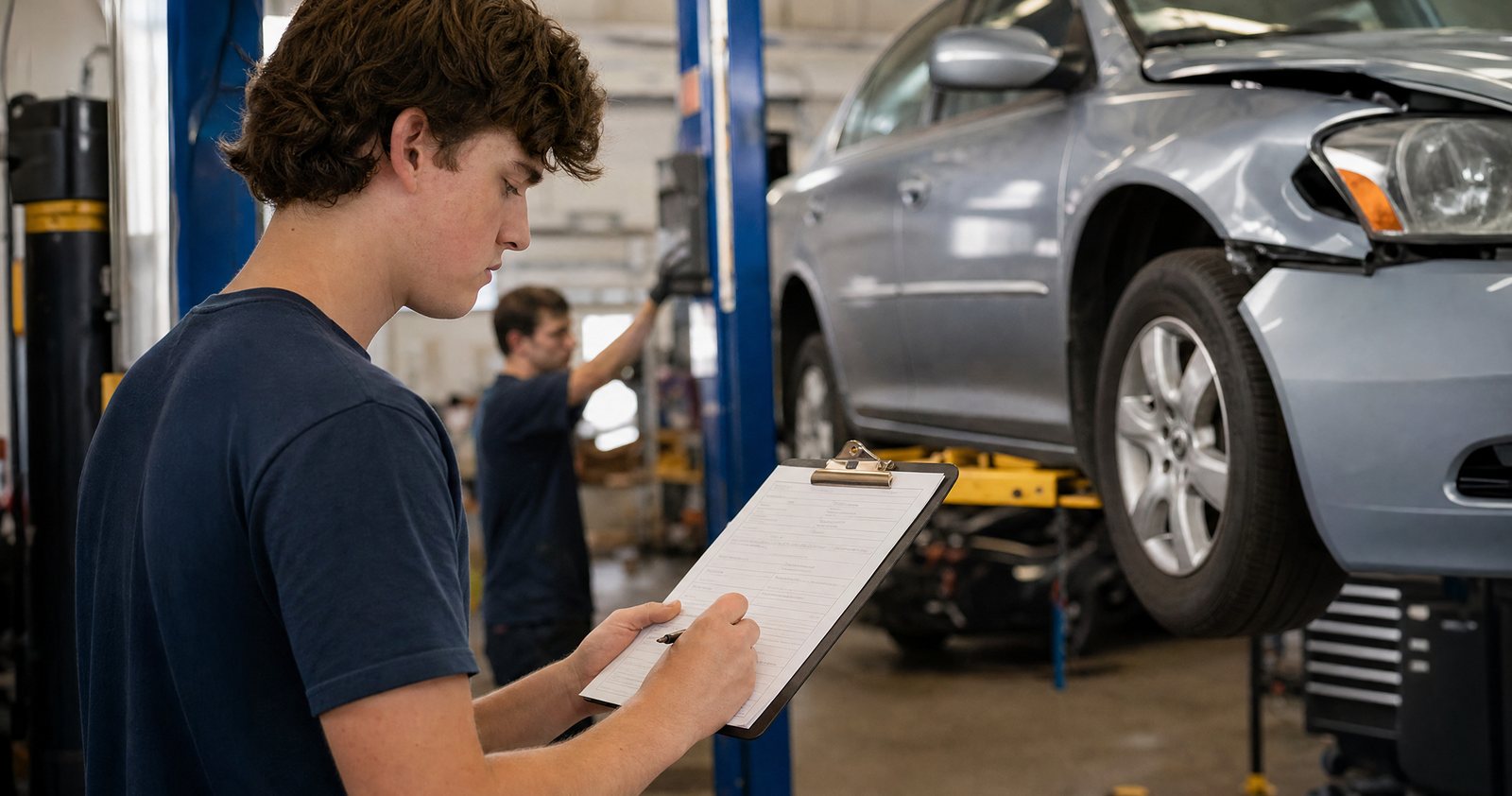
When parents worry about a teen crash, they worry about the right thing first: is everyone okay. After that, the money question usually shows up as one number, the repair bill or the deductible.
The real cost is a lot bigger than that, and most of it arrives later, in installments.
The first bill
The immediate costs are the ones you see: the deductible on your own car, maybe a rental, maybe a tow. If your teen was at fault, your insurance pays the other driver’s damages up to your liability limits.
For a minor crash, that can feel manageable. Then renewal comes.
The bill that keeps coming
An at-fault crash raises full-coverage premiums by an average of 49% a year, according to NerdWallet’s analysis, with the increase ranging from roughly 29% to 60% depending on the insurer. And it doesn’t go away at the next renewal. An accident affects rates for three to five years, depending on the company and the state.
Now put that on a teen’s policy. Adding a 16-year-old already raises a parent’s premium by about $3,900 to $4,500 a year. A surcharge of around half on top of an already-high premium, for three to five years, can add up to many thousands of dollars from a single crash, long after the car is fixed.
The repair is a bill. The surcharge is a subscription.
The cost that isn’t money
In many states, a crash during the provisional license also slows down the license itself. Iowa, for example, delays the next license stage by 12 months for each conviction, crash or restriction violation. More on what that looks like in The First Fender Bender.
When it’s not a fender bender
A serious crash is a different category. Medical bills and vehicle damage can run past your liability limits, and what’s left can become the family’s problem. The Insurance Information Institute notes that accidents often cost more than state minimum limits. That’s the reason to look at your limits before your teen drives alone; see Liability Limits.
The part nobody prices
Here’s what I find most frustrating about all of this. The insurance system prices the crash after it happens. It doesn’t reward the work that makes one less likely. Families who put in far more than the required practice hours generally pay the same premium as families who did the minimum. I’ve written about that in What a Teen Driver Actually Costs.
So the financial case for practice isn’t a discount. It’s prevention. The cheapest crash, by a wide margin, is the one that doesn’t happen, and the evidence says more varied practice before the license is one of the few things that moves those odds.
What to do with this
- Know your numbers. Ask your agent what an at-fault crash would do to your premium. It’s a sobering, useful number.
- Check your liability limits. Before the first solo drive.
- Decide who pays what if a crash happens, and put it in your driving agreement.
- Put the money into practice instead. The hours you spend in the passenger seat during the permit year are the best-returning investment in this whole process.
I’m not an insurance agent, and every policy is different. But this is one of those conversations that’s far better to have before you need it.
More on Rules & Costs



- How much does insurance go up after an accident?. NerdWallet, Checked October 2026 · nerdwallet.com
- How long do accidents affect insurance rates?. NerdWallet, December 2022 · nerdwallet.com
- Car insurance for a 16-year-old: adding a teen vs. a separate policy. CarInsurance.com, August 2026 · carinsurance.com
- How much auto coverage do I need?. Insurance Information Institute, Checked October 2026 · iii.org
- Intermediate license (under 18). Iowa DOT, Checked October 2026 · iowadot.gov