
Driving-Tracking Insurance for Teens: When It Helps and When It Backfires
An app that watches how your teen drives can cut the premium. It can also raise it, and it grades the driver you have, not the one you're building.
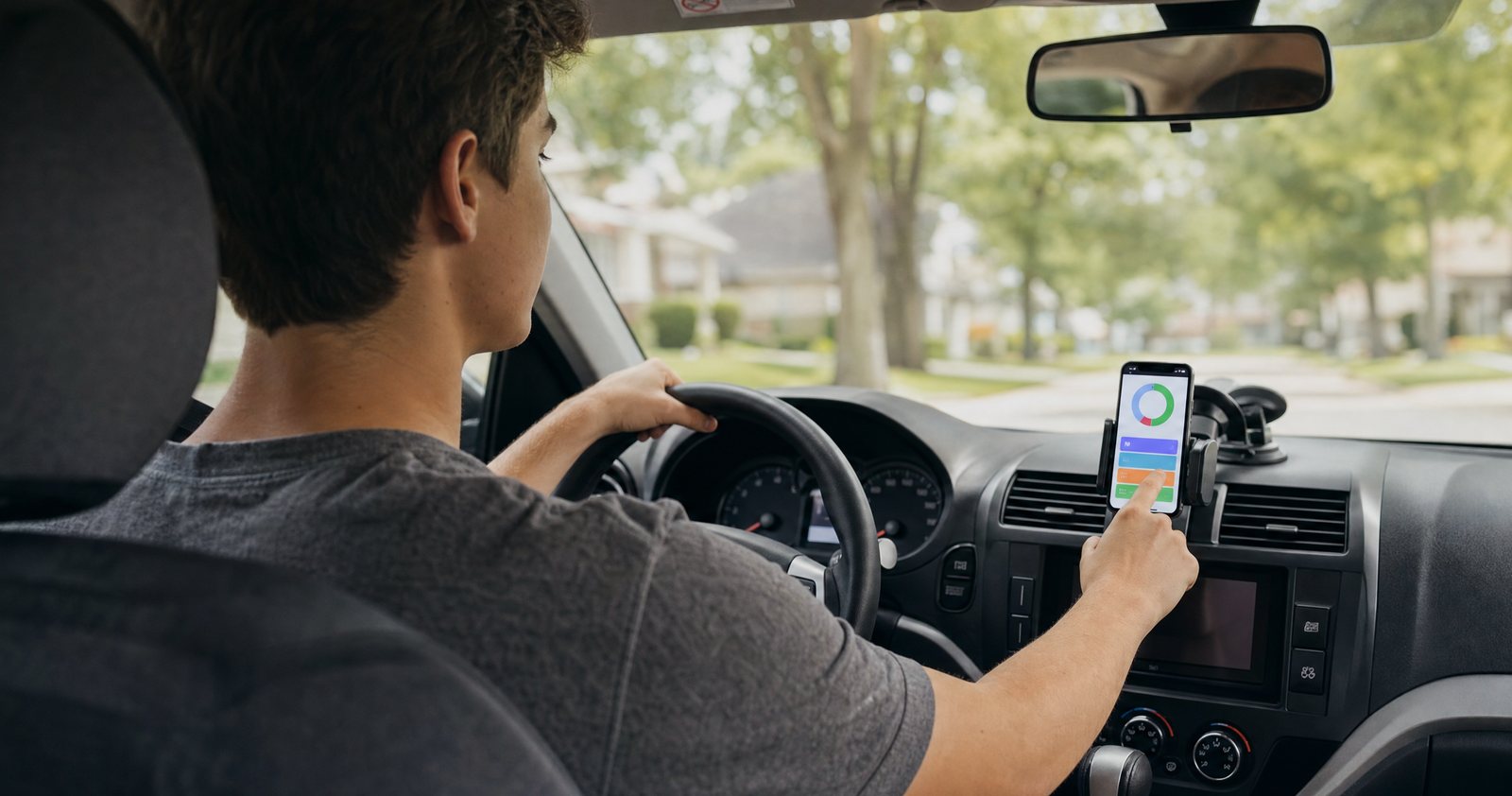
After the first teen insurance quote, the agent often mentions it: an app, or a little device, that watches how your teen drives and adjusts the price. Drive well, pay less.
For some families it’s genuinely worth it. For others it’s an expensive surprise. The difference is mostly in reading the terms before you sign up.
How does usage-based insurance work for teens?
Usage-based insurance, sometimes called telematics, uses a phone app or a plug-in device to record how the car is driven: hard braking, fast acceleration, speed, phone handling, miles driven, and time of day. At renewal, the insurer uses that record to adjust the rate.
Many big insurers offer one. Typical programs advertise a discount at sign-up and savings of up to 30% at renewal, and occasionally more.
The catch
The same data that can lower a rate can raise it. NerdWallet notes that some insurers use these programs to raise rates, and the NAIC describes how a driver who drives long distances at high speed will be charged a higher rate.
For teens, a few things deserve extra attention:
- Night driving often counts against you. Many programs penalize late-night miles, because that’s when crashes happen. That’s fair as risk pricing. It also means a teen with a closing shift at work can drive carefully and still score badly.
- New drivers brake hard. A beginner’s hard stops are part of learning. Some programs don’t distinguish a jumpy new driver from an aggressive one.
- Phone handling. Some apps flag any phone movement, including a passenger’s phone if it’s the one running the app. Find out how yours tells the difference.
It grades the driver you’ve already produced. It doesn’t help you produce a better one.
The bigger limitation
Insurance tracking starts after the license. By design, it measures the driver your teen already is. It doesn’t reward the practice that made them better, and it doesn’t guide the next drive.
I don’t say that as a knock on the programs. They’re doing what insurance does: pricing risk. But it’s worth being clear-eyed that a tracking discount isn’t a substitute for the work before the license. The hours, the variety, the night drives and the rain are what actually lower the risk. The app just notices.
Questions to ask before you enroll
- Can the rate go up, or only down? Get the answer in writing.
- Is the discount applied to the whole policy or only to the teen’s portion?
- What exactly is scored? Night miles, hard braking, speed over what threshold, phone use?
- Whose phone or which car is tracked? Make sure it’s the teen’s driving that’s being measured.
- Can you see the data? Some programs show trips and scores; that can be useful for conversations at home.
- Can you leave the program, and what happens to the rate if you do?
If you use it
Treat it as a conversation starter, not a surveillance system. Agree on it together, tell your teen what’s measured, and look at the results with them. “There’s a hard stop on Route 9 yesterday. What happened?” is a useful question. A list of violations read aloud at dinner isn’t.
And remember the night-driving point. If the program pushes your teen to avoid driving at night entirely, they may end up with less practice in the conditions where they most need it. More on that in Night Driving.
The short version
For a steady, daytime driver, a tracking program can be a real discount. For a teen who works nights or is still smoothing out the basics, read the fine print carefully. Either way, it’s a pricing tool, not a training plan.
More on Rules & Costs

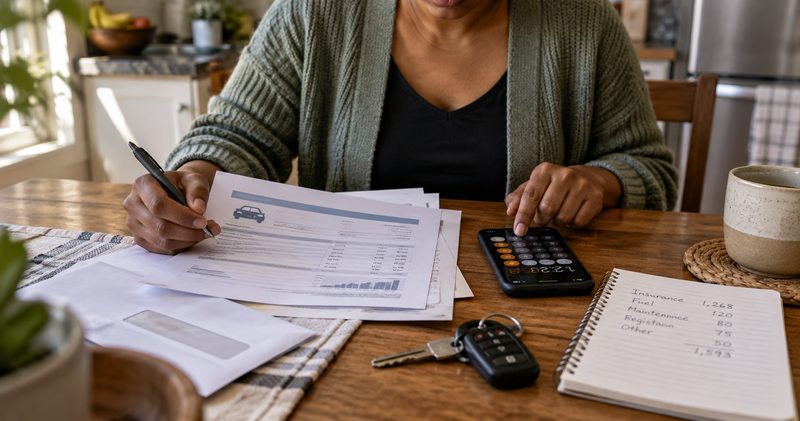

- Usage-based car insurance. NerdWallet, September 2026 · nerdwallet.com
- Telematics / usage-based insurance. NAIC, October 2023 · content.naic.org