
The First Six Months Alone: A Handoff Plan, Not a Finish Line
The license is when the risk peaks, not when it ends. Here's how to hand over the keys in pieces.
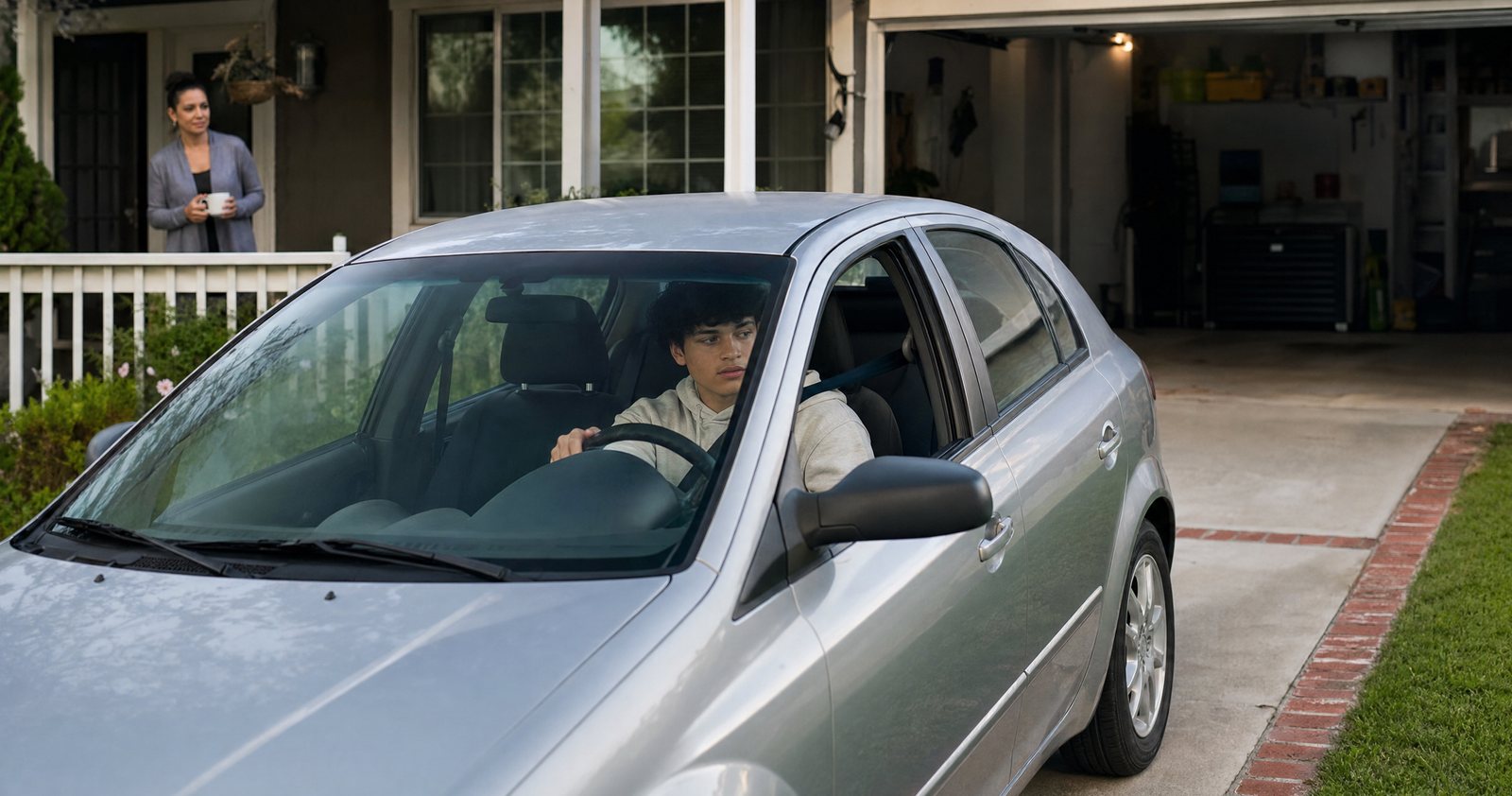
The first six months after the license are the riskiest stretch of a teen’s driving life, because supervision ends before experience catches up. Hand over independence in stages: familiar daytime trips first, then night, highways and passengers.
The day the license arrives, most families do the same thing. The kid takes the car somewhere. Then somewhere else. By the end of the first week, they are driving the same places, at the same hours, with the same people as any other driver in the house.
That’s how it went in our house too. The license felt like the end of the project.
It’s actually the start of the most dangerous part.
Why are the first six months after licensure so risky?
New drivers almost never crash while a parent is in the car. NHTSA puts it bluntly: novice teens rarely crash while being supervised, but have the highest crash rates of any age group during their first six months of unsupervised driving.
Source: NHTSA, Teen Driving
And the risk comes down with experience, just not quickly. A large study of North Carolina teens found crash rates peak in the first couple of months after licensure and only drop by about 40% over the first year and a half. That’s eighteen months of a teenager learning, mostly by trial and error, with nobody in the passenger seat.
Source: AAA Foundation for Traffic Safety, crash characteristics in the early months of driving, 2011 · Evidence Library
So the question isn’t whether your kid will be a beginner after the license. They will. The question is how much of their beginning happens in the hardest conditions on day one.
The state hands over independence in one piece. You don’t have to.
How does graduated licensing help?
Every state has some version of graduated licensing: a learner stage, then an intermediate license with restrictions, then full privileges. It works. The CDC notes these systems reduce teen crashes and deaths.
But the restrictions in most states are light, and they lift on a fixed date whether your kid is ready or not. The useful idea underneath is simple: hand over the hard stuff gradually. You can run that idea at home, at your own pace, stricter than the law.
What should the first six months look like?
Here’s a version you can adapt. Each step lasts until the last one is boring.
Weeks 1–4: the routes they’ve practiced. School, work, practice and back. Daylight. No passengers. These are trips they’ve done dozens of times with you. Boring on purpose.
Months 2–3: new daytime destinations. Places they haven’t driven, still in daylight, still alone. Let them plan the route themselves.
Months 3–4: highway alone. A familiar stretch first, then an unfamiliar one.
Months 4–6: dusk and early evening. Home before the hour you’ve agreed on. The CDC suggests 9 or 10 p.m. for at least the first six months.
After six months: one passenger. Then talk about two. More on why in The Friend in the Passenger Seat.
The order matters less than the principle: one new kind of hard at a time, and only after the last one stopped being hard.
Keep riding along
The logbook ends at the license. Practice doesn’t have to.
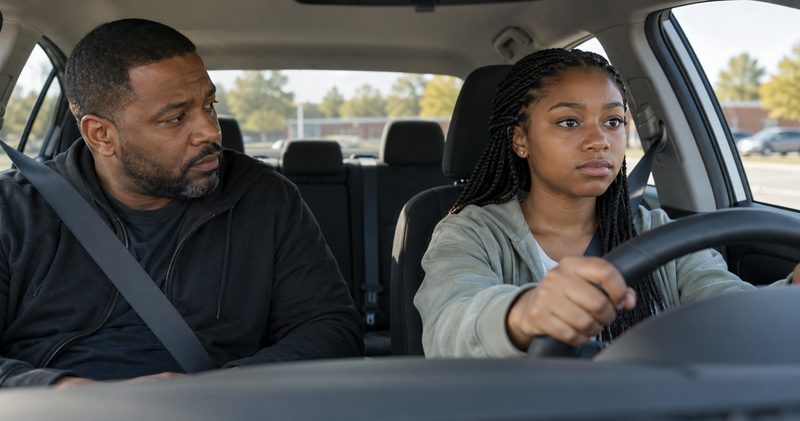
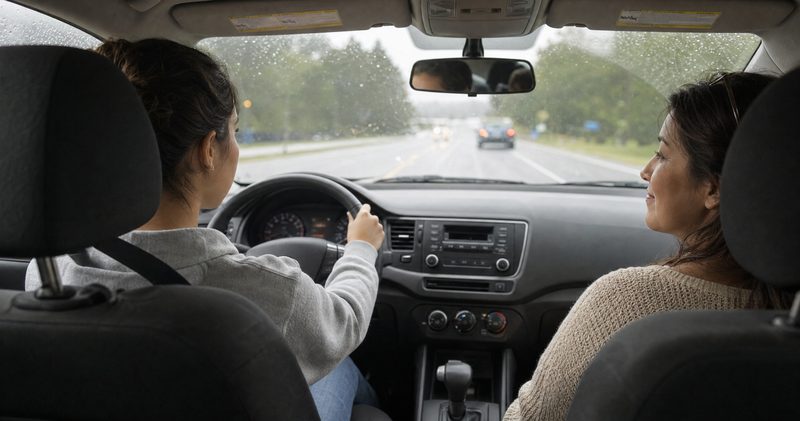
Keep doing the difficult drives together for a while: the first heavy rain, the first snow, the first long highway trip, the first time driving home in the dark from somewhere new. You’ve spent a year building the habit of riding along. The first six months alone are when it pays off most.
They will think this is a little ridiculous. Ask them to humor you. You’re buying a few more repetitions with a coach in the car, during the months when repetitions matter most.
Check in without hovering
After a solo drive, ask one question: “Anything weird happen?” Not “How was it?” which gets you “fine.” A specific, low-stakes question gets you the near-miss at the four-way stop, which is the most useful thing you’ll hear all week.
When they tell you something, don’t punish the telling. A teenager who reports a close call is giving you exactly the information you need. A teenager who gets in trouble for it will stop reporting.
Before the license, not after
Write the plan down before the road test, while they still need your signature. A month-by-month list of what’s allowed when, with the date you’ll revisit each step. It’s much easier to agree on rules before anyone has the keys.
Then put it on the refrigerator, and let the calendar do the arguing.
More on Risk
- Teen Driving. National Highway Traffic Safety Administration (NHTSA), Checked October 2026 · nhtsa.gov
- The Role of Supervised Driving in a Graduated Driver Licensing Program (Traffic Tech DOT HS 811 598). NHTSA, April 2012 · nhtsa.gov
- Measuring Changes in Teenage Driver Crash Characteristics During the Early Months of Driving (Foss et al., 2011). AAA Foundation for Traffic Safety, 2011 (North Carolina, 2001–2008) · aaafoundation.org
- Eight Danger Zones. CDC, Parents Are the Key, Checked October 2026 · cdc.gov
- Reducing Risk for Teen Drivers. CDC, Checked October 2026 · cdc.gov
The research behind this page, with caveats, is in the DRVN evidence library: Teens rarely crash while an adult is supervising · Graduated driver licensing reduces teen crashes and deaths · CDC recommends no teen passengers and no driving after 9 or 10 p. Sources checked October 2026.