
Two Rules With No Exceptions: Seat Belts and the Safe Ride Home
Half of the teen drivers killed in 2024 weren't buckled. One rule fixes that. The other makes sure they call you instead of driving.
Most of what I’d tell you about teen driving is about judgment. Practice in more places. Hand over independence in pieces. Make the rule fit your kid.
This article is the exception. There are two rules where I don’t think judgment helps, and where the only right number of exceptions is zero.
Rule one: everyone buckles, every trip
In 2024, 51% of the teen drivers who died in crashes weren’t wearing a seat belt, according to NHTSA. Half.
That number isn’t about a lack of information. Every teenager knows what a seat belt does. It’s about the short trip, the friend’s car, the back seat, the night nobody thought about it. In the 2019 national survey the CDC cites, 43% of high school students said they didn’t always wear a seat belt when riding with someone else.
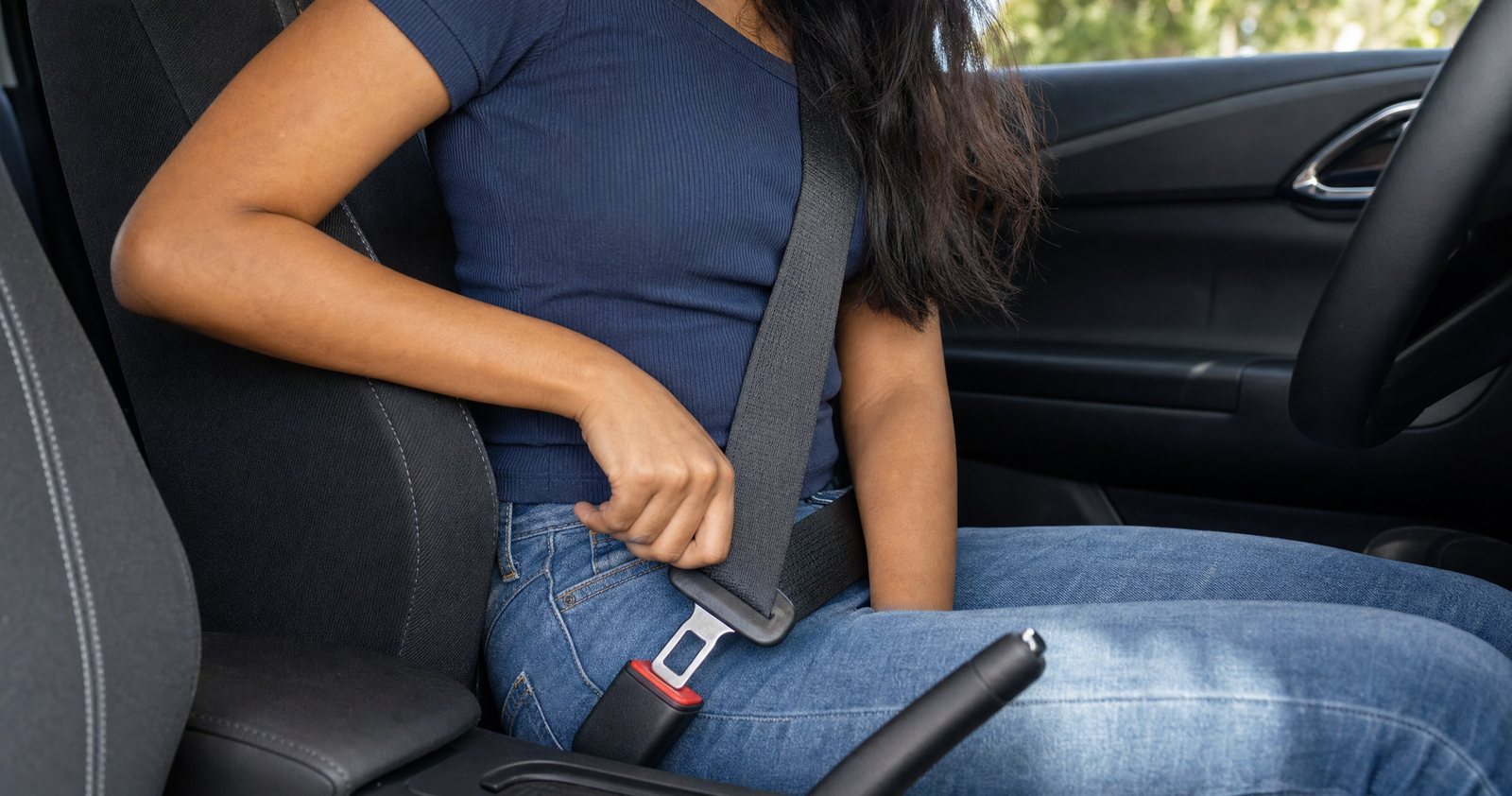
So the rule has to be bigger than “wear your seat belt.” Make it this: the car doesn’t move until everyone is buckled. The driver’s car, the driver’s responsibility. Every seat, every trip, including the two-minute one.
That last part is where it actually breaks down, and it’s where they learned it from us. If we skip the belt to move the car in the driveway or run to the corner store, the lesson is that belts are for real trips. There’s no such thing as a trip that isn’t real.
The car doesn’t move until everyone is buckled. That’s the whole rule.
Rule two: you can always call for a ride
In 2024, 22% of the 15- to 18-year-old drivers involved in fatal crashes had been drinking. These are kids who can’t legally drink at all.
You will tell your teenager not to drink and drive, and you should. But the more important conversation is about what happens when something has already gone wrong. They’re at a party and they’ve been drinking. Or the friend who drove them has. Or they’re too exhausted to drive safely at 1 a.m. Or the situation just feels bad.
In that moment, a teenager is weighing two things: the danger of driving, and the trouble they’ll be in if they call. Your job, long before that night, is to take the second one off the scale.
So say it out loud, more than once: you can always call me for a ride, and that night, getting you home safe is the only thing that matters. No questions in the car. No lecture at midnight. The conversation about what happened can wait until the next day, and it should be calmer than they expect.
Some families pair this with a code word, a text that means “call me and tell me I have to come home,” so the teen has a way out that doesn’t cost them anything with their friends. It’s a small thing that makes the big rule usable.
Why these two are different
Most driving risks shrink with experience. A teen who has driven a hundred nights is better at night driving than one who’s driven ten.
These two don’t work that way. Experience doesn’t make an unbuckled crash survivable, and it doesn’t make a drunk or exhausted driver safe. They’re not skills. They’re decisions, and they have to be decided in advance, when nobody’s under pressure.
Write them down
Both rules belong at the top of any parent-teen driving agreement, above passengers and curfews and who pays for gas. Not because they’re complicated. Because they’re the two you can’t afford to leave to the moment.
This week
Say the safe-ride rule out loud tonight, at dinner, even if your teen is years from a license. It works best when it’s an old rule by the time they need it.
More on Risk
- Teen Driving. National Highway Traffic Safety Administration (NHTSA), Checked October 2026 · nhtsa.gov
- Risk Factors for Teen Drivers. Centers for Disease Control and Prevention (CDC), Reviewed August 2025 · cdc.gov