Feedback Without a Fight: How to Coach Your Teen Without Wrecking the Car Ride
The car is a terrible place to have an argument and a great place to learn. The difference is mostly when you say things, and how.
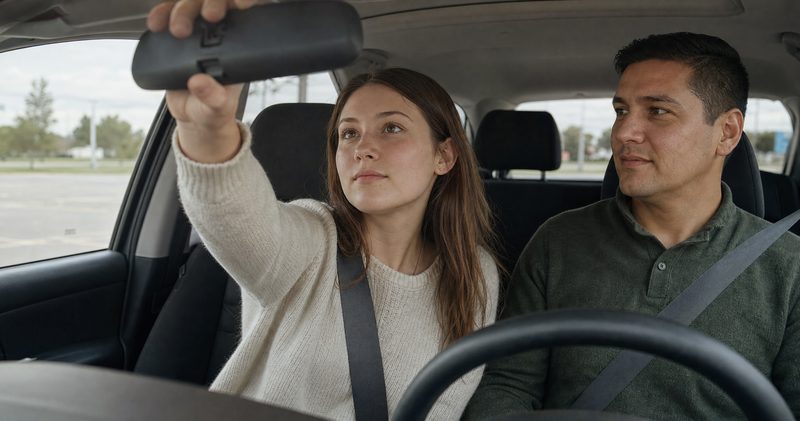
There is a specific sound a parent makes in the passenger seat. It’s a sharp intake of breath, sometimes with a word attached, and it happens about half a second before the teenager does anything wrong. Sometimes they weren’t going to do anything wrong at all.
Every new driver learns to hate that sound. Most parents don’t know they’re making it.
That’s how a lot of practice drives turn into fights. Not over anything big. Over a hundred small corrections, delivered at the worst possible moment, in a tone that means something different from the words.
Why the car makes this harder
Teaching your own kid anything is hard. Teaching them to drive is harder, for a few reasons that have nothing to do with either of you being unreasonable.
You’re scared, and you’re not in control of the car. That’s a bad combination for calm, clear speech.
They’re doing something genuinely difficult while being watched by the person whose opinion matters most to them. That’s a bad combination for taking criticism well.
And you’re both stuck in a small space, side by side, unable to walk away. Whatever was already going on that week comes along for the ride.
None of that means you’re doing it wrong. It means the setup is working against you, so you need a better setup.
The goal isn’t a silent car. It’s a useful one.
Before the drive: agree on the one thing
Most in-car fights are really about surprise. The teen thinks the drive is about getting to the store. You think it’s about lane position. Then you start correcting lane position and it feels like an ambush.
So before you back out of the driveway, say what the drive is for. One thing. “Today we’re working on smooth stops.” “Today I want you to pick your own gaps at left turns.” Now the corrections have a context, and the kid knows what you’re watching.
It also keeps you honest. If the drive is about smooth stops, you can let a lot of other small things go.
During the drive: early, short and specific
Say it early. “There’s a stop sign coming up after the next driveway” is coaching. “STOP SIGN” is panic. Give information while there’s still time to use it calmly.
Keep it short. A new driver doesn’t have attention to spare for a paragraph. “Ease off.” “Check left.” “More space.” Save the explanation for later.
Be specific about what to do, not what went wrong. “Brake sooner” works. “You’re braking too late” makes them think about the mistake instead of the fix. “What are you doing?” isn’t feedback at all.
Watch your hands and your breathing. The grab for the door handle and the foot on the imaginary brake are feedback too, and they say “I’m scared” louder than anything you say out loud. Try to keep them still unless it’s a genuine emergency.
Let small things go. If it’s safe, a slightly wide turn can wait for the debrief. Not every imperfection needs a comment in the moment.
After the drive: two minutes in the driveway
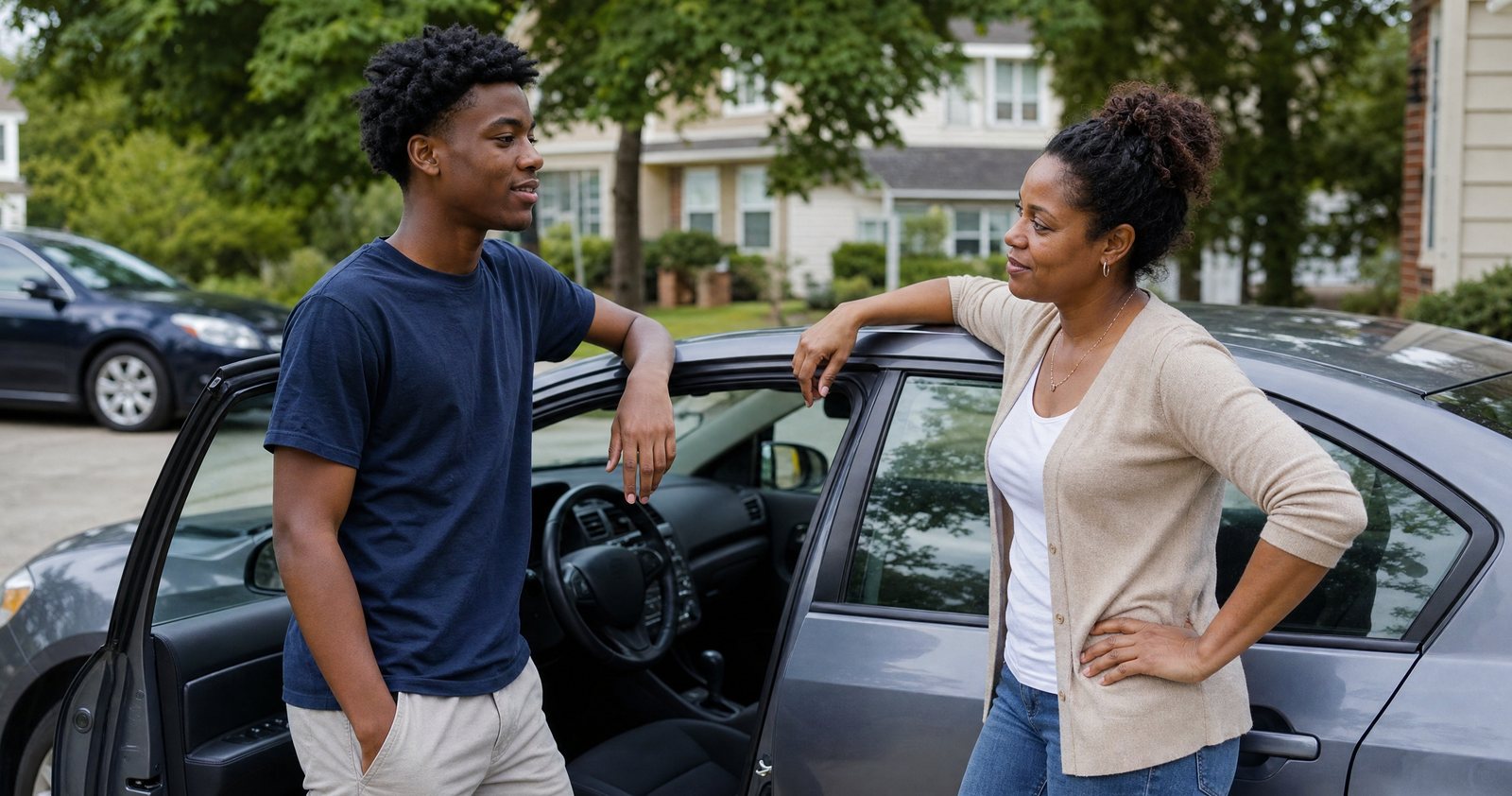
The most useful feedback happens after the car is parked, when nobody’s in danger and nobody’s driving.
Keep it short and keep it in this order:
- Ask first. “What felt hard?” They usually already know. When they name it themselves, it sticks.
- One specific thing that went well. Not “good job.” “Your merge onto Route 30 was perfect. You matched speed and picked the gap without me.”
- One thing for next time. One. If you list five, they’ll remember none.
That’s it. Two minutes, then go inside.
When it goes sideways anyway
Sometimes it will. Somebody’s tired, somebody’s had a bad day, and a missed turn becomes a shouting match.
When either of you is too upset to keep going safely, stop. Pull over somewhere safe, switch drivers, and go home. That’s not giving up. It’s the right call, and it models exactly the judgment you want them to have later: knowing when conditions are beyond you.
Then don’t relitigate it on the way home. Talk about it the next day, briefly, when everyone’s calm.
A mistake isn’t an attitude problem
New drivers will brake late, pick the wrong gap and drive you a little crazy. That’s not a character flaw. It’s the entire reason you’re sitting there.
The real concern is different: a teen who doesn’t notice their mistakes, won’t take coaching, or acts like the risk doesn’t apply to them. That’s worth a serious conversation, out of the car. Everything else is just learning, and learning looks messy from the passenger seat.
If you’re not the right coach
Sometimes a particular parent and a particular kid just can’t do this together. That’s common, and it isn’t a failure. Try a different coach in the family, a grandparent, or a few sessions with a professional instructor to reset the tone. The goal is the practice, not who’s in the passenger seat.
This week
Before your next drive, name the one thing. Afterward, ask “what felt hard?” before you say anything else. See how different the ride home feels.
More on The Permit Year